Six CNC router controllers get compared here for 2026, and the field splits fast: full-service retrofit control, legacy machine tool integration, and standalone budget setups all pull in different directions. Best overall CNC router controller retrofit: MachMotion, for shops that want a control system engineered, installed, and supported by one team rather than pieced together from separate vendors. Best for legacy machine tool integration: Centroid CNC12, built around a real-time PLC that talks to older servo and stepper drives already wired into the machine. Best budget option: Masso G3, a standalone touchscreen controller that skips the PC entirely. The rest of this list covers desktop machines, DIY builds, and high-volume production floors so you can match the controller to the machine you actually run.
- MachMotion wins for full-service CNC router controller retrofits with engineering and support included.
- Centroid CNC12 fits legacy machine tool retrofits that already have servo or stepper drives wired in.
- Masso G3 is the budget CNC router controller pick for small shops wanting standalone touchscreen control.
- WinCNC and Tormach PathPilot cover DIY-flexible and desktop entry-level router setups.
- Siemens Sinumerik suits high-volume production floors, not single-machine small shops.
Why this matters
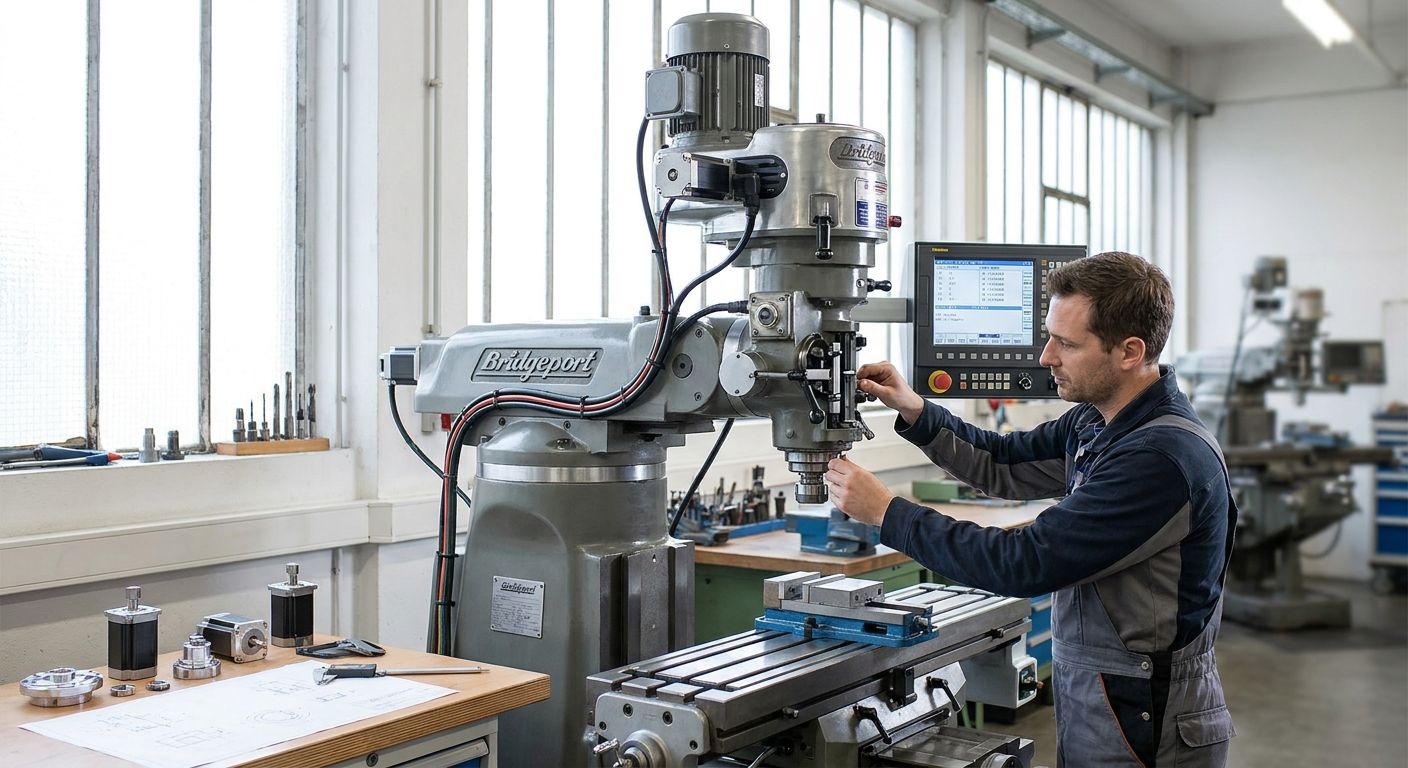
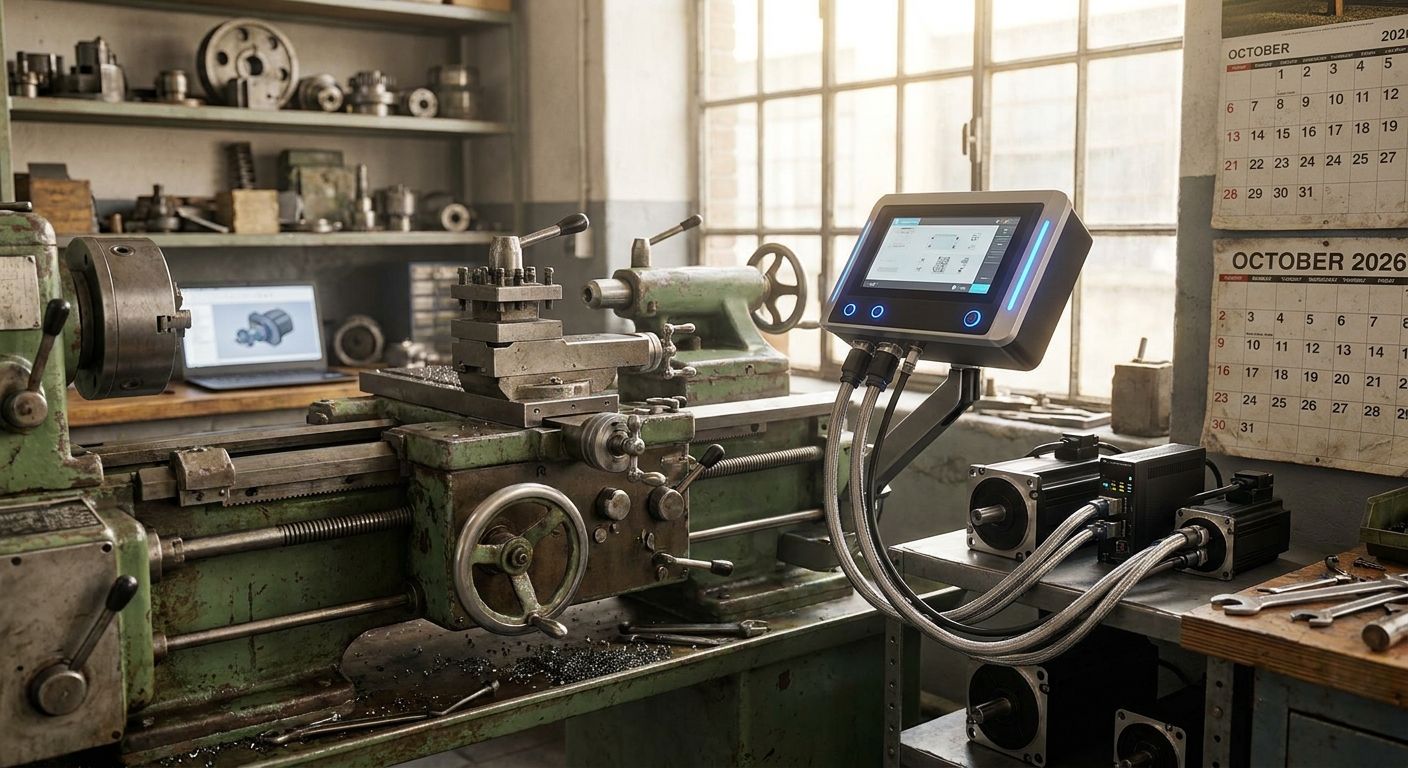
A CNC router built ten or fifteen years ago usually has a good spindle, solid rails, and a frame with plenty of life left in it — the part that fails is the control cabinet. Boards go obsolete, the original software vendor stops supporting the version you're running, and replacement parts get harder to source every year that passes. Swapping in a modern CNC router controller keeps the machine you already paid for instead of scrapping it for a new one.
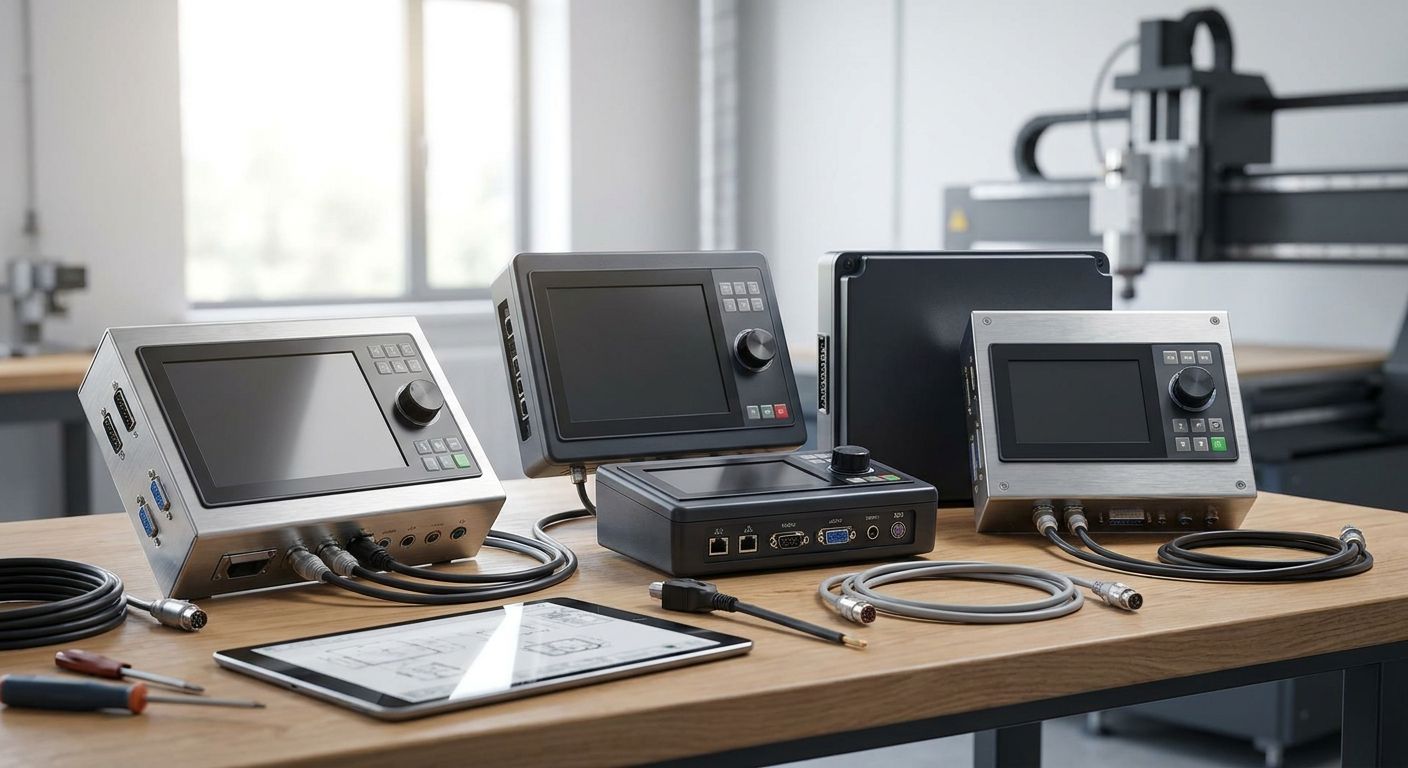
The six controllers below cover different jobs: some are built specifically for retrofitting an existing machine, some are packaged with new desktop equipment, and one is built for production floors running multiple shifts. Picking the wrong category wastes money either way — overbuying a production-grade controller for a single hobby router, or underbuying a PC-based hobbyist controller for a machine that needs to run eight hours a day.
What makes the best CNC router controller
- Real-time control architecture — a dedicated motion controller holds timing tighter than a PC running G-code through a parallel port or USB link.
- Compatibility with existing drives — retrofits need a controller that can talk to the servo or stepper drives already bolted to the machine, not force a full drive swap.
- Interface and programming style — conversational programming, standard G-code, or both, and whether the interface runs on a touchscreen or a separate PC.
- Engineering and support availability — retrofit-specific wiring, PLC logic, and post-install support matter more than a spec sheet.
- Scalability across machine types — shops running routers alongside waterjets, lathes, or mills benefit from one controller platform that spans equipment types.
- Footprint — whether the system needs a dedicated PC or runs standalone off a touchscreen changes uptime and points of failure.
CNC router controllers at a glance
| Controller | Best for | Standout feature | Key limitation |
|---|---|---|---|
| MachMotion | Full-service router retrofit with support | Engineering, install, and support handled as one project | Scheduled, engineered install — not a self-install box |
| Centroid CNC12 | Legacy machine tool retrofits | Built-in PLC for tool changers, coolant, limit switches | Still needs someone who knows the existing drive hardware |
| Masso G3 | Budget pick for small shops | Standalone touchscreen, no PC required | Limited I/O for larger or mixed-axis machines |
| WinCNC | DIY and custom router builds | Flexible configuration around shop-built frames | Runs through a PC, adds a failure point |
| Tormach PathPilot | Desktop and entry-level machines | Tight integration with the machine it ships on | Not a general retrofit option for an existing router |
| Siemens Sinumerik | High-volume production integration | Built for continuous multi-shift operation | Overbuilt for a single router or small shop |
1. MachMotion: best CNC router controller for full-service retrofit and support
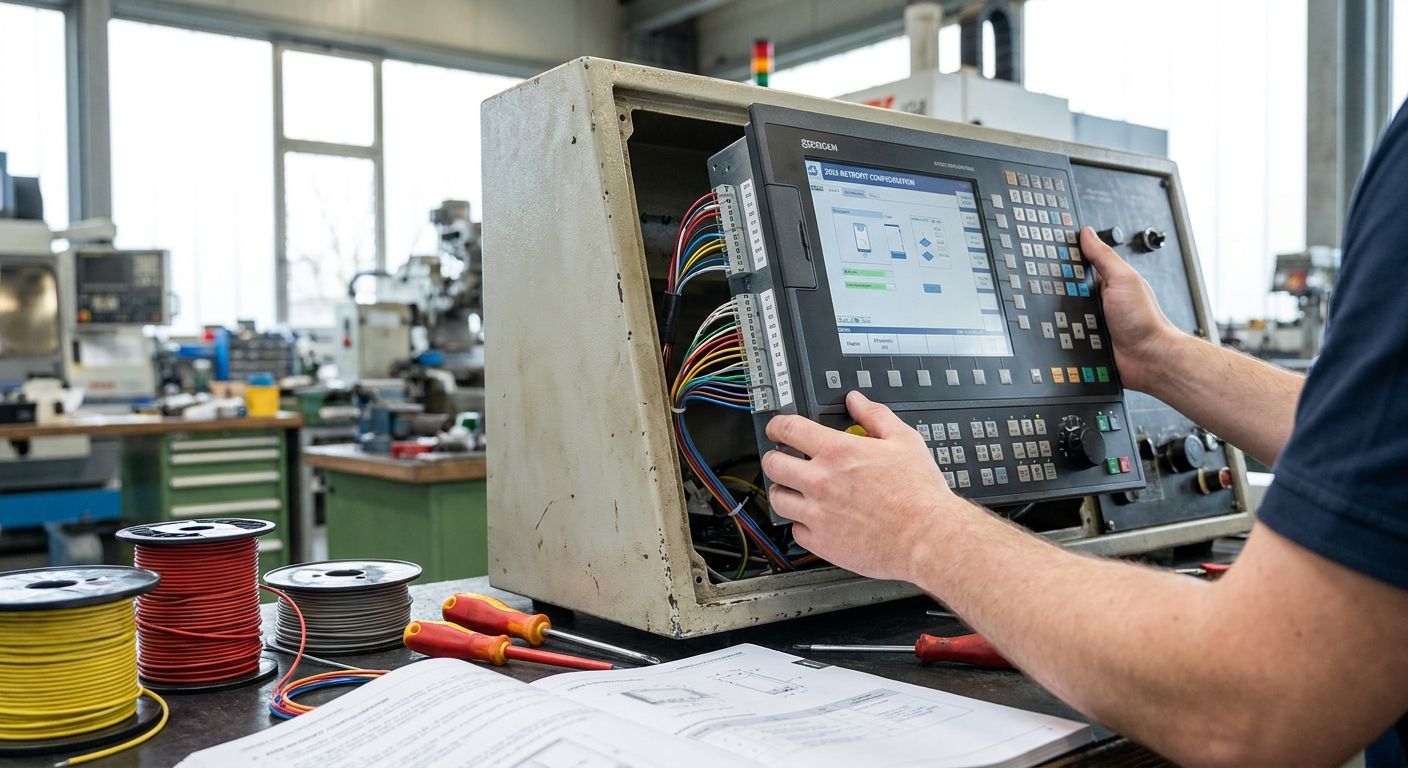
MachMotion engineers, installs, and supports modern CNC controls for routers as well as waterjets, grinders, lathes, mills, and boring mills, replacing an aging control cabinet while keeping the spindle, rails, and frame the shop already owns. The project covers control hardware, wiring, and the operator interface, plus support once the machine is back in production.
MachMotion pros:
- Built specifically for retrofits, so wiring, PLC logic, and drive matching are part of the project instead of left to the shop.
- One team handles engineering, installation, and ongoing support instead of stitching together a controller from one vendor and drives from another.
- Spans multiple machine types, useful for shops running a mixed floor of routers, waterjets, and mills.
MachMotion cons:
- Retrofit work is engineered and scheduled per machine, not a shrink-wrap box you install yourself in an afternoon.
- Best suited to shops committing to a full control swap rather than swapping a single small part.
Best for: shops running an aging CNC router, or mixed equipment, that want the control system engineered, installed, and supported as one project. Verdict: Buy.
2. Centroid CNC12: best CNC router controller for legacy machine tool retrofits
CNC12 pairs a real-time motion controller with a PLC built into the same platform, aimed at retrofitting older machine tools that already have servo or stepper drives wired in.
Centroid CNC12 pros:
- Built-in PLC handles machine-specific logic — tool changers, coolant, limit switches — without a separate ladder-logic controller.
- Long track record on retrofit projects across mills, routers, and lathes.
- Conversational programming option alongside standard G-code.
Centroid CNC12 cons:
- Tuning on a retrofit still requires someone who understands the existing servo or stepper hardware.
- Interface feels dated next to touchscreen-first controllers built in the last few years.
Best for: shops retrofitting an older machine tool that already has usable servo or stepper drives in place. Verdict: Buy.
3. Masso G3: best budget CNC router controller for small shops
Masso G3 is a standalone touchscreen controller that runs without a separate PC, aimed at small router shops and hobbyists who want direct G-code control without a full retrofit engineering project.
Masso G3 pros:
- No PC required, which cuts down points of failure and setup time.
- Touchscreen interface is straightforward for basic profile and sign cutting.
- Lower barrier to entry than a full engineered retrofit.
Masso G3 cons:
- Limited PLC and I/O options compared to controllers built for larger machine tools.
- Not built for multi-axis machines beyond routers or light milling.
Best for: small shops or hobbyists running a single router who want standalone control without an engineered retrofit. Verdict: Buy for small shops; Skip for production floors running mixed equipment.
4. WinCNC: best CNC router controller software for flexible, DIY setups
WinCNC is PC-based G-code control software paired with a motion control card, giving shops flexibility to configure the software around a custom or shop-built router.
WinCNC pros:
- Flexible configuration for custom or shop-built router frames.
- Wide compatibility with third-party breakout boards and drives.
- Active user community for troubleshooting.
WinCNC cons:
- Runs through a PC, adding a point of failure not present in standalone controllers.
- Setup and ongoing support fall more on the shop than on a retrofit team.
Best for: shops building or heavily customizing their own router and wanting software flexibility over a packaged retrofit. Verdict: Hold — fine for DIY builds, riskier for production floors.
5. Tormach PathPilot: best CNC router controller for desktop and entry-level machines
PathPilot is touchscreen control software built for Tormach's desktop mills and routers, tuned specifically to that machine class.
Tormach PathPilot pros:
- Tight integration with the machine it ships on, minimal setup.
- Conversational and G-code programming in one interface.
- Straightforward for shops moving from manual machines to CNC for the first time.
Tormach PathPilot cons:
- Built around a specific machine platform, not a general retrofit option for an existing router.
- Less suited to production-volume cutting.
Best for: shops buying a new desktop-class machine rather than retrofitting an existing router. Verdict: Buy for new desktop machines; Skip for retrofits.
6. Siemens Sinumerik: best CNC router controller for high-volume production integration
Sinumerik is an industrial-grade CNC control platform used on high-volume production machines, including large-format routers running multi-shift operations.
Siemens Sinumerik pros:
- Built for continuous multi-shift production and integration with plant-level networks.
- Strong diagnostics and uptime tooling for high-volume floors.
- Scales across large machine tool fleets.
Siemens Sinumerik cons:
- Overbuilt, and overcomplicated, for a single router or small shop.
- Requires specialized integration expertise most small shops don't keep in-house.
Best for: production floors running routers at high volume across multiple shifts. Verdict: Buy for high-volume production; Skip for small shops.
Get a router retrofit quote
Talk through your machine's drives, wiring, and control options.
How we ranked these
Each controller was placed against the six criteria above — real-time architecture, drive compatibility, interface style, engineering and support, cross-machine scalability, and footprint — and matched to the machine class it actually fits best, rather than stacked against every other option on every dimension.
Which CNC router controller should you choose?
If you're retrofitting an aging router and want the wiring, PLC logic, and support handled as one project, MachMotion is the default pick for 2026. If the machine already has usable servo or stepper drives and you need built-in PLC logic for tool changers or coolant, go with Centroid CNC12. If it's a single small router on a tight budget, Masso G3 gets you standalone control without an engineering project attached. Everyone else — DIY builders, new desktop machine buyers, and high-volume production floors — has a clear lane in the list above.
“A retrofit that keeps the spindle, rails, and frame but replaces the control cabinet is a different project than buying a new machine — and a different price conversation.”
FAQ
What's the best CNC router controller in 2026?
MachMotion is the best overall pick for shops retrofitting an existing router because the engineering, install, and support come from one team. Centroid CNC12 and Masso G3 lead their own categories for legacy retrofits and small-shop budgets.
Is Mach4 better than Mach3 for a router retrofit?
Mach4 is the newer, actively developed platform and is the standard choice for a 2026 retrofit over Mach3, which sees far less ongoing development. Compatibility with your existing drives and I/O still matters more than the software version alone.
How much does a CNC router controller retrofit cost?
Cost depends on the machine's axis count, the condition of the existing servo or stepper drives, and how much wiring can be reused. Get a quote based on your specific machine rather than an industry average, since retrofit scope varies widely.
Can I retrofit an old CNC router instead of buying a new machine?
Yes, if the frame, rails, and spindle are still in good mechanical condition, a control retrofit replaces the failing electronics without replacing the machine. This is the core service behind most CNC router controller retrofit projects in 2026.
Do I need a separate PC for a CNC router controller?
Standalone controllers like Masso G3 run without a PC, while software-based options like WinCNC require one connected to a motion control card. A PC adds a point of failure but often adds flexibility for custom setups.
What's the difference between a controller and control software?
A controller is the hardware and firmware that handles real-time motion, while control software is the interface an operator uses to run G-code or conversational programs. Some products, like Tormach PathPilot, bundle both tightly to one machine platform.
How long does a CNC router control retrofit take?
Timeline depends on the machine's complexity, axis count, and how much of the existing wiring and drives get reused. Ask for a project timeline as part of a retrofit quote rather than assuming a fixed schedule.
Is Centroid CNC12 good for router retrofits?
Centroid CNC12 works well for retrofitting older machine tools that already have servo or stepper drives wired in, thanks to its built-in PLC. It's less turnkey than a full-service retrofit provider handling wiring and support end to end.
One last thing
The part shops overlook in a router retrofit isn't the controller at all — it's the drives and motors already bolted to the machine. A controller swap that keeps mismatched or worn-out servo drives just moves the failure point somewhere else; the retrofit conversation has to include what's staying on the machine, not just what's replacing the control box. That's the difference between a retrofit that lasts and one that needs a second project in eighteen months.